
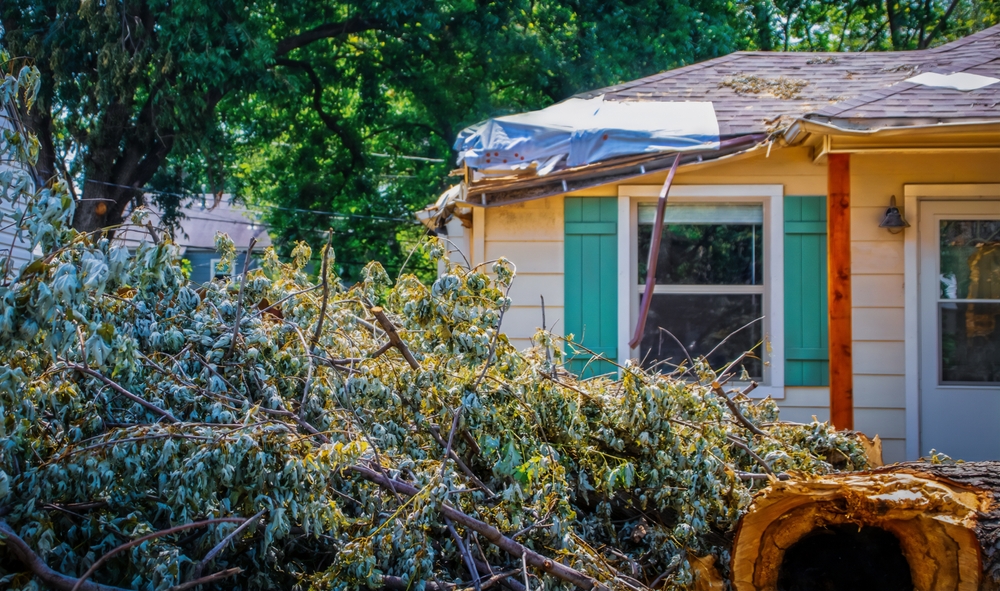
Storm response matters most in the first hours after the damage is discovered. Landlords in Washington, DC, Virginia, and Maryland usually protect the property best when they move through a clear order of operations: confirm safety, document the loss, stop further damage, communicate with residents, and then coordinate the repair path. When that sequence breaks down, costs and confusion often grow quickly.
If a property may have electrical risk, gas concerns, structural instability, or active water intrusion, the first priority is protecting people, not inspecting every detail. Owners should treat uncertain conditions cautiously and use qualified help where needed.
Storm conditions often start changing as soon as cleanup begins. Photos, videos, notes, and a clear damage record matter because they help with insurance, contractor conversations, and later decisions about scope and responsibility.
Stopping additional damage is usually one of the most important financial decisions in a storm event. Temporary protection, drying, water control, and securing openings can make a major difference in what the incident ultimately becomes.
Occupants need clear information about safety, access, next steps, and what the owner is doing to stabilize the situation. In many cases, better communication reduces confusion as much as the repair work itself.
Owners often feel pressure to get to the finish line immediately, but storm response usually works better when mitigation, scope review, insurance coordination, and repair sequencing are handled in an organized way rather than collapsed into one hurried decision.
What should landlords do first after storm damage?
Confirm safety conditions before trying to inspect everything or authorize broader cleanup.
Why is documentation so important?
Because conditions change quickly and a clear record helps with insurance, repair decisions, and scope control.
What affects final storm cost most?
Often the speed and quality of early mitigation that limits additional damage.
Gordon James Realty helps landlords across Washington, DC, Virginia, and Maryland manage property incidents through faster coordination, clearer resident communication, and more disciplined restoration follow-through. Contact our team if you want a more reliable emergency-response process for your rental.

Who is responsible for HVAC maintenance in DC, Virginia & Maryland rentals? Learn habitability law, filter replacement, and best practices for landlords.

Foreclosure investing in DC, Virginia & Maryland: pre-foreclosure, tax sales, REO properties, and DC Superior Court timelines for first-time investors.
We're proud to make partnering with us easy. Contact our team to connect with one of our industry experts and get started today.


